I’m Here for the Bikes
Leaving America for accessibility.
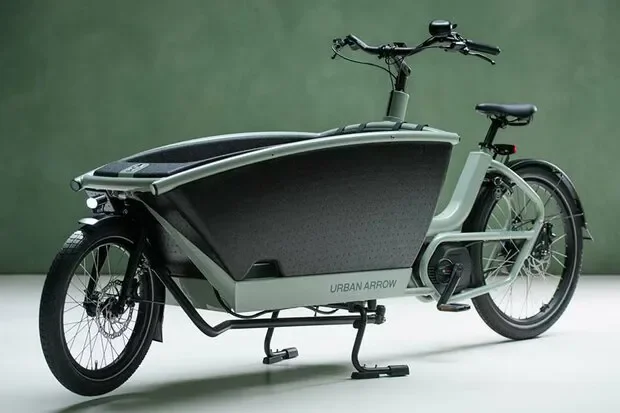
Behold the bakfiets.
Literally translated to box-bike, in English you might call it a cargo bike. It is the Dutch equivalent of the soccer mom’s suburban. This thing’s got headlights. An automatic transmission. Electronic pedal assist. Is it raining? No problem, you’ve got a rain cover with rollup windows. You’ll often see parents here carting around two or three kids in them. Sometimes even more.
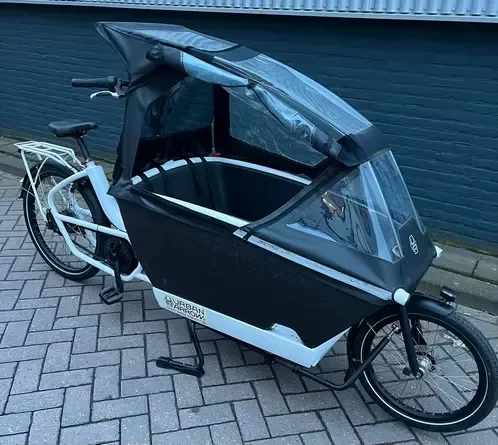
When I say “roll up windows” I mean they roll up with a bungie cord to hold them in place.
The bakfiets is, in my opinion, the pinnacle of Dutch life. This is an entire country designed for bikes. I don’t mean there are bike lanes in the city. There are bike lanes EVERYWHERE. Along highways. Through the dunes on the coast. There are actually bike highways, cutting through and behind neighborhoods far away from cars, connecting all the places you might want to go. This isn’t just an urban reality, either. From city to village, you can go literally anywhere on two wheels. Cars are second-class citizens here, being routed out and around places to make space for people. Bikes and pedestrians rule. And sure, you can strap bags and baskets on a bike to do your daily errands. Or you can get a bakfiets, where some mad Dutchman designed a bike around a freaking wheelbarrow.
That, my friends, is dedication to the #BikeLife.
And yes, to answer the obvious question. It takes some practice to figure out how to ride one of these massive things. Especially with squirming human cargo in the front of it. Or the furry kind of cargo. It’s like riding a bike, except the bike is far too long and weighs over 100 pounds before you even get on it.
Leaving America for Accessibility
I moved to the Netherlands nearly 2 years ago. Some people assume we left America for political reasons. And sure, even current American politics aside, there’s a lot about American culture that was never a good fit for me. But the simple reality is that we moved here for the bikes. And the pedestrian streets. And the trams. And the trains.
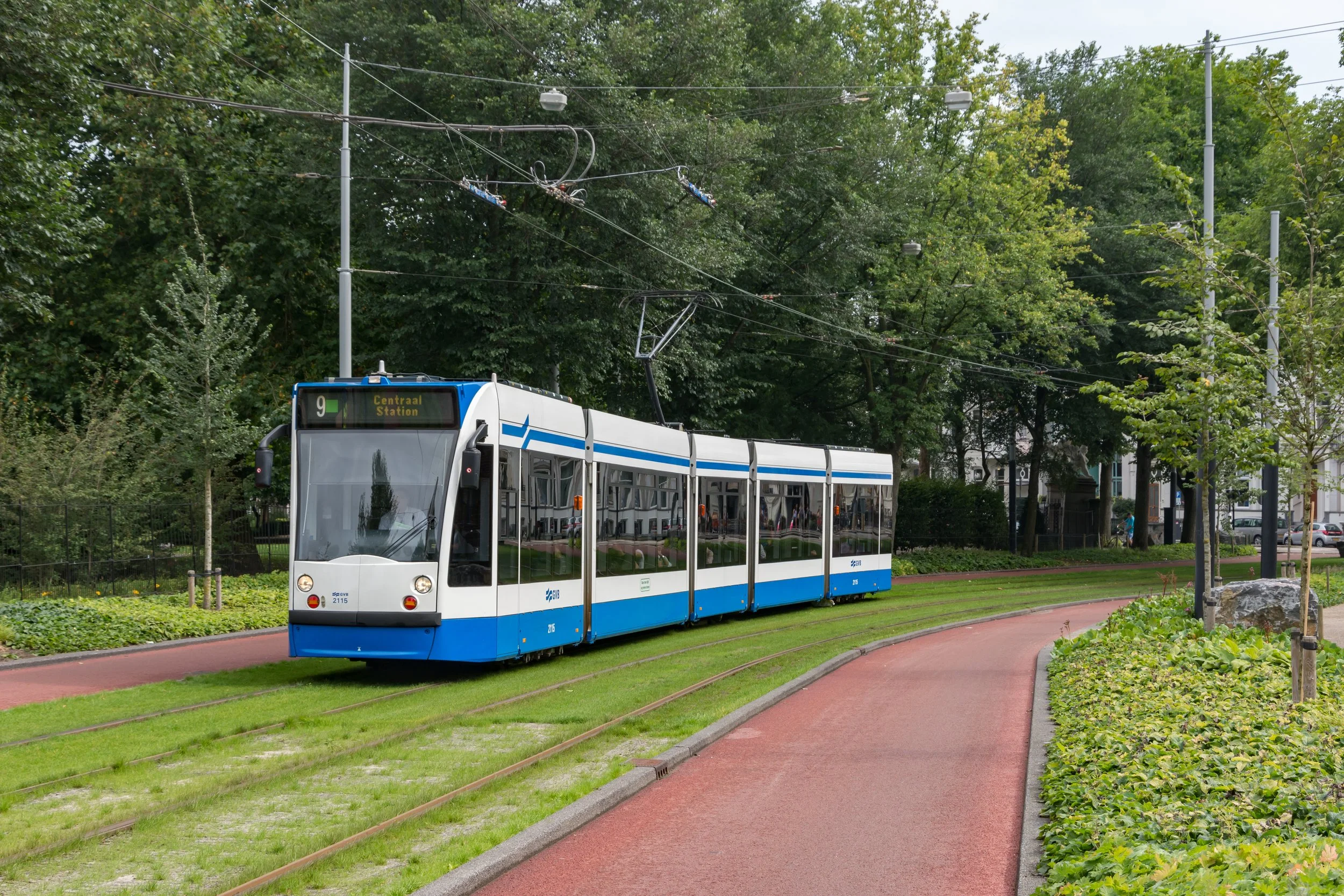
For pedestrians trams connect the neighborhoods. Trains connect the cities. And then there’s the red pavement, which means bikes only
My wife, Allison, was born with multiple vision issues. Without getting into the nitty gritty, after multiple surgeries she is still classified as having “low vision” which prevents her from getting a drivers license. With the exception of a few incredibly expensive places like Manhattan, America is designed under the assumption of car ownership. Walkability is a luxury, out of reach for all but the wealthy elite. In America, every grocery store trip, every carpool line pickup, every playdate and doctor appointment fell on me. A girls nights out required coordination with a third party.
Not that I ever complained. But it meant that Allison lacked simple, essential adult autonomy. After fighting against this reality for decades, we finally did the obvious move. We left.
In America, Allison is disabled.
In the Netherlands, she is not.
It is hard to express just how big a deal that is.
#BikeLife
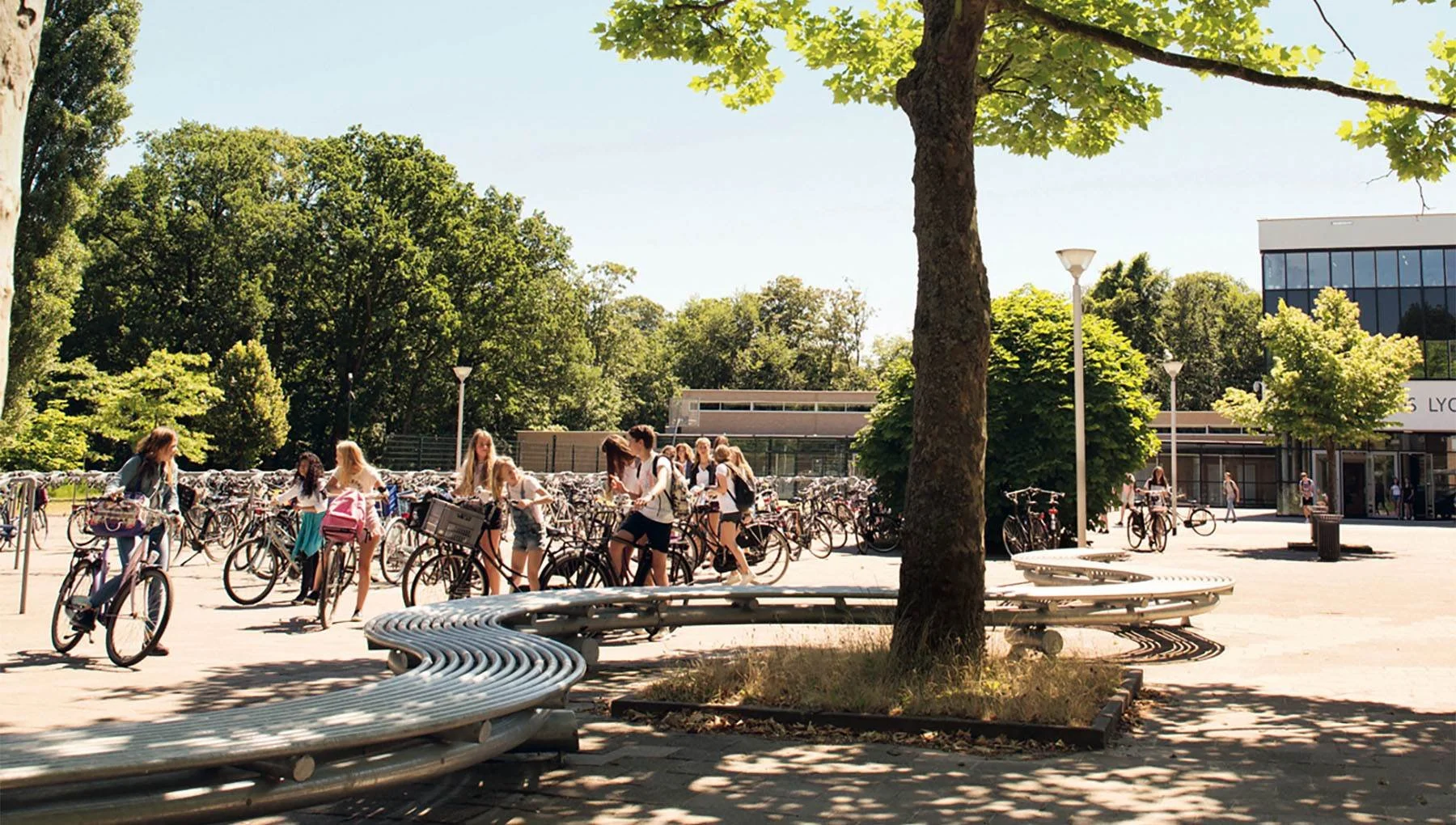
My son’s school doesn’t have a carpool line.
Biking in the Netherlands isn’t about fitness, or about saving the planet, or whatever. Biking is just really convenient when you have a country that is actually designed for it. After living a life centered around cars in America, it’s been strange that I can live without one so easily now. There are still cars here, of course. But even the people who own them don’t use them every day. The cities are designed to force cars through specific paths. Roads are for cars. Streets are for people and places, with speed limits so low you would be crazy to drive down them unless you live there, are a delivery driver, or a plumber or some such with business there. Meanwhile, pedestrians and bikers would be crazy to travel along a loud, smelly road. It’s a brilliant system.
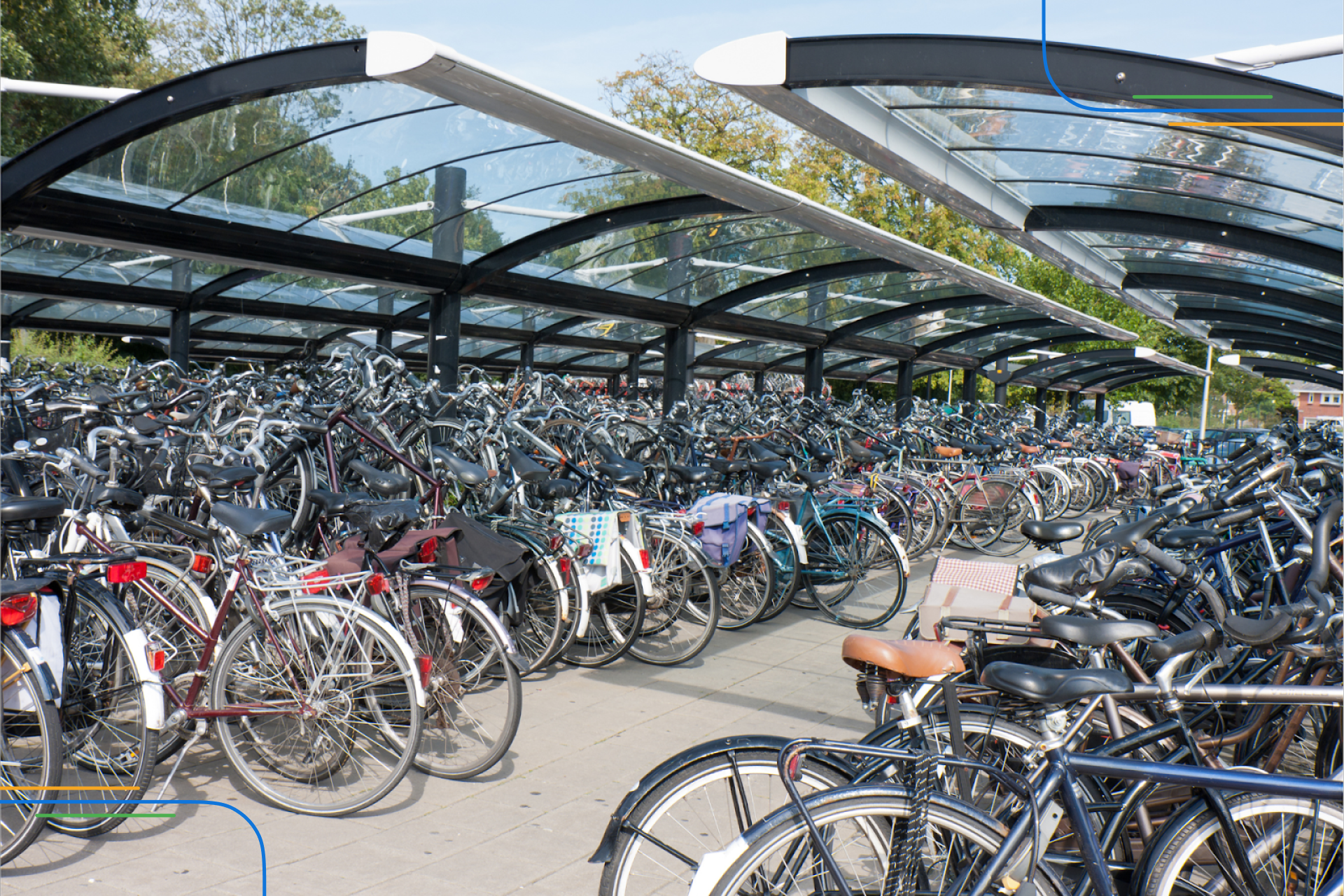
A Dutch parking garage
Do I miss having a car? Not even a little. It has certainly been a head shift, though. It means bird poop or spider webs on the bike seat in the morning. It means biking in crappy weather, which the Netherlands has in spades during the winter. But as the Dutch say, I am not made of sugar. I won’t melt. Also, I have a $10 poncho.
Living here has shifted my concept of what a transportation-friendly city looks like, too. In America, we had walkable places. New York. DC. San Francisco. To live without a car meant living in a thoroughly urban place. And those loud, urban places grate on my nerves, ratcheting up my already abundant anxiety. But I don’t live in an urban place here. I live on the outskirts of a small city, surrounded by sprawling neighborhoods and green spaces. My daily walks are around lakes and ponds, bird sanctuaries and medieval ruins.
I’m a good 20 minute walk from the nearest tram. Which is fine, because I rarely need the tram. I have a bike. I can bike to all the shopping you could want. My son bikes to school. We bike to the beach, the markets, the dunes, and the library. I really only take the tram when I want to head all the way downtown, usually on my way to the train station for some other part of the country or continent.
I think the thing that surprises me most, though, is what removing so many cars does to a place. It puts a blanket over what you imagine a city sounds like. It takes away the loud. Even the densest parts of town are quiet compared to any other city I’ve ever lived in. And it puts people next to people, without the big metal boxes between us. You feel more connected to your community.
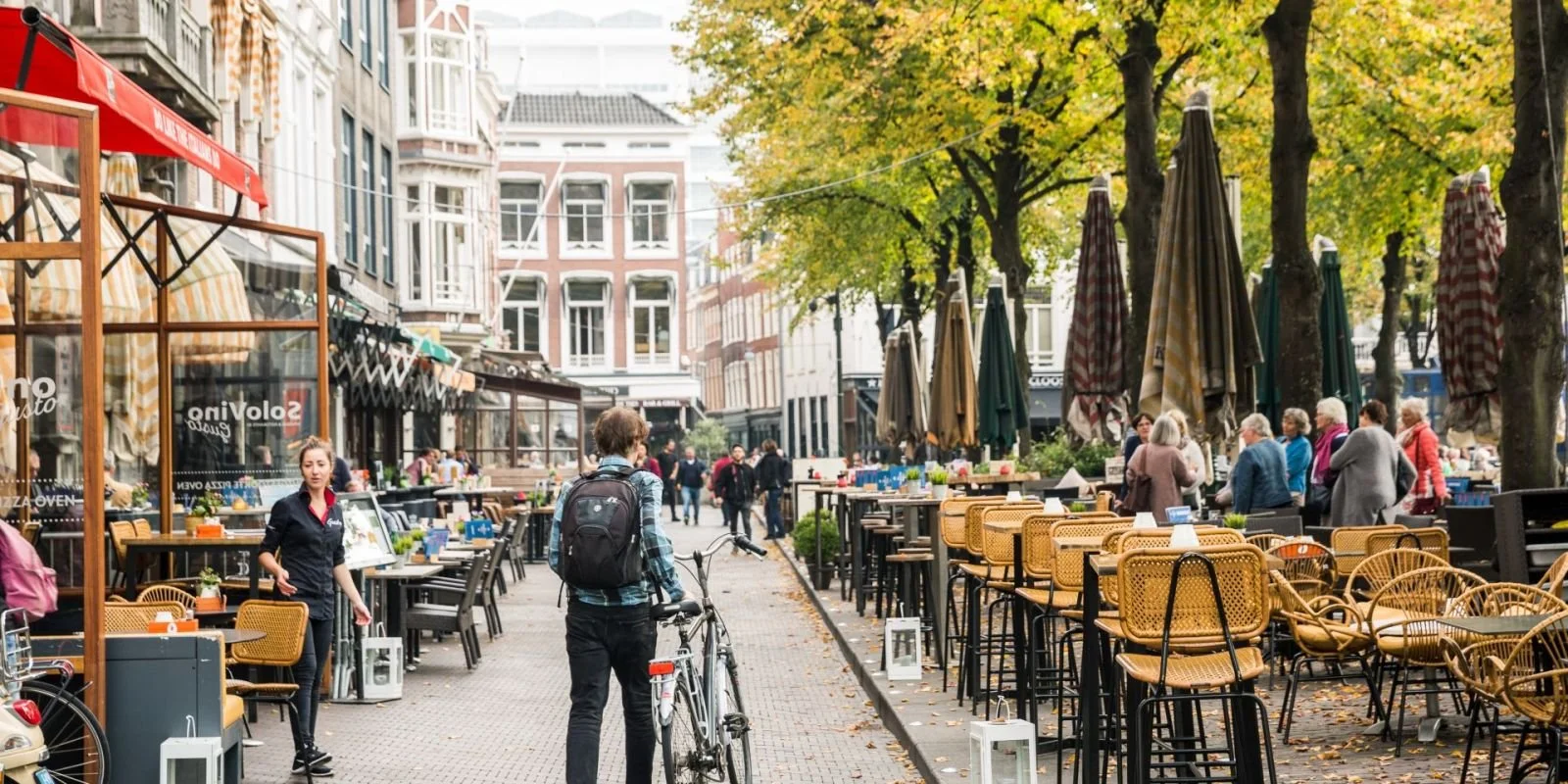
So yeah. We moved here for the bikes. So far, I’m a fan.